
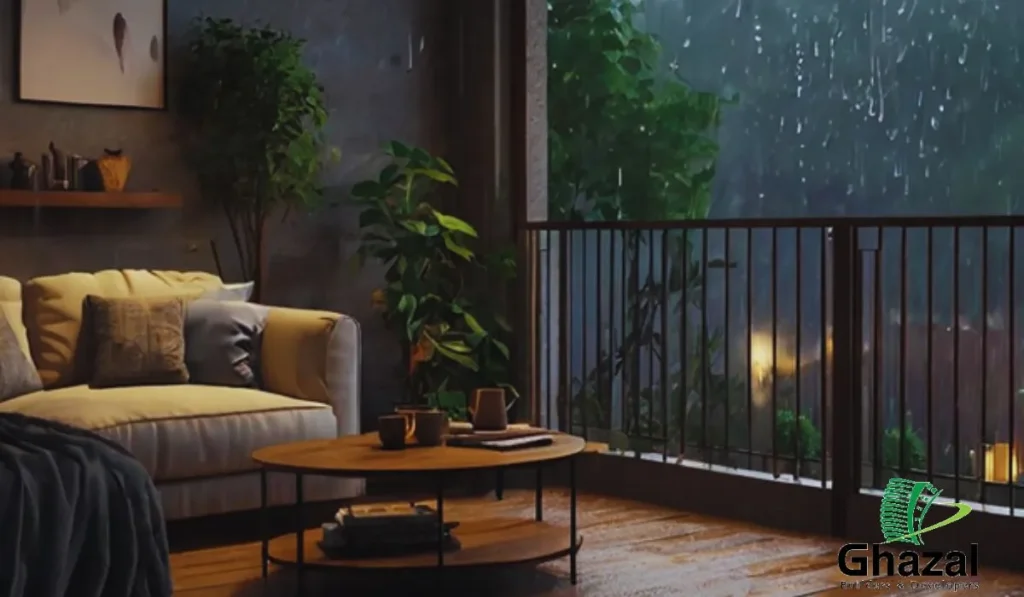
With the heavy rain and cooler air that accompany the monsoon season, there comes an increase in humidity and dampness, which are two factors that can ravage our home furnishings. Furniture, especially all wooden furniture, and sensitive electronics are some of the items that are very susceptible to moisture, mold, and power fluctuations.
Even expensive goods can be damaged permanently in case they are not taken care of properly. It is therefore important to know how preventive maintenance and fixing interact with one another. In this guide, we will explore the properties of the monsoon and how it can harm your valuables, and also how to keep them safe before it is too late.
Why Furniture and Electronics Are Particularly Vulnerable?
Monsoons cause high humidity and fluctuation in temperature, and wet air the conditions that are ideal culprits in the spoilage of household material. Furniture made of wood tends to absorb moisture hence swelling, warping, and perhaps end up with growing moulds or mildews. Even the surfaces that are coated or polished to some extent are not immune, especially in ill-ventilated rooms.
Electronic devices have another type of threat. Internal components may also be corroded in the moisture found in the air and hence the effect can reduce performance and in certain instances lead to short circuits.
The sudden loss of power and dips in voltages that are common in cases of storm damage can also damage the sensitive circuitry of TV sets, laptops, refrigerators, and other appliances. When not ensured by proper measures, these electronic devices can deteriorate quickly in the rainy season.
Preventive Measures
- Put moisture removers in cabinets such as silica gel, camphor, or activated charcoal and around electronics.
- To prevent moisture absorption on wooden furniture, apply protective coatings or varnish.
- Ventilation can be done by using dehumidifiers or opening windows during dry hours.
- Put in place voltage stabilizers or surge protectors on major appliances.
- Raising furniture a little bit above the ground, particularly in places that tend to have wet floors.
- Cover electronics when not in use so that moisture can not accumulate.
- Regular inspection for any early signs of rust, mold, or dampness.
Reactive Solutions
- When wet furniture or electronics need to dry, use blow-dryers or fans(with caution).
- Clean and wash the mold off with vinegar or special cleaners to use on wood.
- Dial a technician for a moisture-damaged electronic device. Do not switch it on.
- Take sand and re-polish swollen wooden surfaces to shape.
- Poor-fitting window seals or coverings should be replaced so that more moisture cannot enter.
- Apply rust remover or anti-corrosion sprays on the affected metal.
Furniture Care During Monsoons

Wood Furniture Protection
Pre-monsoon preparation and Cleaning
- Begin with a good dusting out and cleaning with a dry or slightly damp cloth.
- It is advisable not to use too much water or wet cloths because they will penetrate the wood.
- Use furniture wax or furniture polish to apply a protective coating.
Moisture Control Strategies
- Put moisture absorbers such as silica gel, naphthalene balls and activated charcoal in cabinets and drawers.
- Natural alternatives to fungal growth can be done by the use of camphor or neem leaves.
- Proper airflow around furniture should be ensured by not overcrowding.
Placement Away from Windows and Damp Areas
- Avoid placing furniture in front of windows or balconies; avoid placing it in corners where rainwater or humidity is likely to accumulate.
- To prevent this absorption of water by wet floors, place the furniture on rubber pads (sometimes referred to as furniture risers) to lift it off the floor.
Using Dehumidifiers and Moisture Absorbers
- Use portable dehumidifiers in places with a lot of moisture.
- In storage areas, make sure that desiccant packs are checked and replaced regularly.
- Wood cabinets and closets should be opened a bit for airflow.
Protective Covers and Treatments
- Apply protective covers or cloths to wrap up furniture when not in use; utilize waterproof covers.
- Put anti-termite and anti-fungal sprays on wooden surfaces.
- Use oil-based varnishes or sealants to recoat vulnerable areas to provide extra durability.
Upholstered Furniture Care
Fabric Protection Sprays
- Apply waterproofing or fabric protector sprays that are meant to be used on upholstery.
- These act as a barrier to moisture and spills and thus they curb the occurrence of mold.
- It is always advisable to test the spray in a concealed place first since it may cause discoloration.
Regular Cleaning and Vacuuming
- Clean vacuum sofas, cushions and padded chairs once a week to eliminate dust and moisture.
- A smooth cloth or brush can be utilised to clean the surface of fabrics.
- Steam or wet cleaning should be avoided when it is rather humid.
Dealing with Existing Moisture Damage
- In case the fabric is wet, dry the furniture exceptionally with a fan or in a well-ventilated place.
- Do not leave the fabric in direct sunlight for long periods of time since it may be bleached.
- Apply baking soda to absorb composition and small amounts of moisture- sprinkle, leave to sit, and then vacuum.
Mold and Mildew Prevention
- Airflow during the dry hours using windows.
- Put moisture removers such as silica gel or charcoal close to upholstered items.
- Apply antifungal sprays in cases of earlier indications of mold (foul smells, dark smears).
Storage Solutions for Seasonal Furniture
- To cover the things that are not frequently used with poorly made cloth sheets (not plastic covers that trap moisture)
- Removable pads and cushions should be stored in dry well-ventilated store bins fitted with desiccants.
- Lift movable furniture or put it elsewhere, in dry areas inside, if floods are frequent.
Metal Furniture Maintenance
Rust Prevention Techniques
- Never have any metal furniture get wet; dry it off as soon as it gets wet.
- Never put metal items in wet corners or along windows where there is condensation.
- Apply rust prevention in joints and screws and welds to prevent rusting.
Protective Coatings and Treatments
- Before the monsoon commences, apply another coat of rust-coating paint, or powder paint, or clear lacquering.
- Coat the metal parts that are exposed with automotive wax as an added seal.
- In the case of wrought iron, it could be a good idea to apply a little coat of oil or petroleum jelly that would help fight moisture.
Regular Inspection and Cleaning
- Inspect the furniture once a week to see the earliest signs of rust, such as bubbling paint, dark spots of paint or flaking.
- Wash with ice water and mild soap solution, harsh chemicals removing protective coatings.
- Touch up with rust-proof paint and lightly scrub with steel wool or with sandpaper, for very small spots of rust.
Outdoor Furniture – Special Considerations
- Indoors or under a shaded spot is where metal furniture should be moved when there are heavy rains.
- Cover with waterproof material like tarps that can let air in (not necessarily well-covered plastic wraps).
- Put rubber caps/stoppers beneath metal legs when there is a chance of wet floors.
- Find impervious to drainage locations where rainwater is not concentrated at the bottom of the furniture.
Electronic Device Protection
Indoor Electronics Safety
Proper Ventilation and Air Circulation
- Keep the TV, computer and routers in well-ventilated rooms.
- They should not be placed in small cabinets where they can get trapped with some heat and moisture.
- In warm rooms where exhaust may be necessary, use small fans to keep air in motion.
Surge Protection During Thunderstorms
- Put surge protectors or voltage rectifiers on delicate equipment such as television sets, refrigerators, washing machines, and desktops.
- Disconnect devices when there is a severe thunderstorm to prevent damage due to a lightning strike.
- UPS systems should also be thought of in the case of computers to avoid loss of data in instances of outages.
Moisture Control Around Devices
- Do not keep the electronics directly on the floor, especially in rooms that are prone to moisture.
- Electronic items should be dried with silica gel packs, camphor or activated charcoal placed close to them.
- Close or cover the windows in the case of heavy rain to avoid humidity in the air.
Safe Storage Practices
- On rarely used equipment, keep them in air-tight sealed boxes or cabinets containing desiccants.
- All types of unused gadgets should be covered with breathable and dust-proof covers (not in the plastic which keeps the humidity inside).
- Storage places should be raised and not located near walls that are wet or in corners.
Regular Cleaning and Maintenance
- Use a dry microfiber cloth to clean the surfaces of the devices by rubbing them frequently, but avoid using wet wipes.
- Look to determine evidence of condensation around the ports, the vents or within the screens.
- Vents and fans should be free of clean dust, and overheating should be prevented as much as possible, especially during the rainy seasons.
General Monsoon Home Preparation
The monsoon season is not far away and you need to get your home ready to deal with the rising humidity level and the rain. Regulation of water content in any house prevents mold, stale smell, and permanent degradation of furniture and walls.
Small measures such as the use of dehumidifiers, moisture absorption materials in enclosed areas, and increased airflow due to opened windows or fans may help a lot. It further secures against seepage and water-related destruction by waterproofing the vulnerable spots like filling the cracks on the walls, patching your leaky roofs, and attaching weather strips to windows and doors.
Together with structural care, it is rather rational that an emergency kit has been prepared in case of variable weather. Be prepared to stock and ensure that you have flashlights, some extra batteries, a well-stocked first-aid box, USB charging banks, simple towing and repair tools and a waterproof container where you keep essential documents and gadgets.
Making available another non-perishable food that is ready to eat and clean water in places that one can reach easily when the power is off would also be of great help during a power outage or when it rains. These measures make sure that your home will be safe and functional during the rainy seasons.
Post-Monsoon Recovery and Maintenance
You have to inspect your house and property as well to know whether the monsoon rains caused any damage to your property. Start by looking at the water stains, dampness, mould or rust in the walls, ceilings, electrical outlets, furniture as well as appliances.
It is only important to ensure that the affected areas are dried up immediately by the use of fans or dehumidifiers so that the process does not aggravate. If the damage is severe, in which the woodwork, electronics or structures are involved it is worth calling on professional restoration teams to skillfully get the work done safely and fixed adequately.
It is also a good idea to consider the coverage of your insurance after you go through an ordeal. Make a record of visible damages by taking pictures and invoices in case a claim is required to be made. Be prepared and talk to your provider about the coverage of water damage, electrical errors, or flooding to acquire better security in the next seasons.
Finally, start planning preventive measures against the next monsoon, either better waterproofing, surge protection or better ventilation systems. Going proactive now will spare you huge headaches the next time the rains come.
At Ghazal Builders, we know that a well-maintained home is not just about aesthetics, but also about enduring every season with confidence. Since the monsoon is as beautiful as it is confrontational, we would like to urge all homeowners to take up constructive action to take the initiative, bear and protect their space.
As we embrace quality construction, weather-proof material and good design, we have ensured that homes constructed by us are designed to withstand the elements of nature. The lessons of this season must be that with proper attention and with the proper builder, your home can stay safe, secure and even timeless in even the worst weather.
Also Read: Apartment Security Features You Need To Check
FAQ
How can I protect my wooden furniture from humidity during monsoons?
They can apply sealant or protective polish on wooden furniture ahead of the monsoon to prevent damage due to water. Do not open windows and expose them to the damp walls and use moisture absorbers like camphor, silica gel or activated charcoal in drawers and cupboards. Ensure that it is aerated and all the signs of wetness should be wiped off at an early stage in order to prevent swelling or molds.
Should I unplug all electronics during heavy rain and thunderstorms?
Yes, it is a good habit to unplug sensitive gadgets such as TVs, computers, and kitchen appliances when there is heavy rain or a thunderstorm. Lightning or sudden power surges may result in severe damage. Install surge protectors or voltage stabilizers to give added protection even during occasions when devices are in use.
What’s the best way to prevent mold on upholstered furniture during monsoons?
Mold enhances growth due to a lack of ventilation, taking the furniture to a well-ventilated place and placing moisture absorbents around it. Do not cover furniture such as upholstery, because moisture is trapped and a breathable fabric coverage should be used. Anti-fungal fabric spray can also be lightly sprayed on the area in case there is a tendency towards high humidity.
Can I use rice or silica gel packets to absorb moisture around electronics?
Yes, silica gel packets are very effective and they are even meant to absorb moisture; thus they should be used near electronics. Although rice is helpful during an emergency, it is not efficient and not as dependable. Put silica gel close to equipment in drawers and on shelves or within protective cases as a way to maintain the moisture content.
What are the signs that my electronics have been damaged by moisture?
Diagnostic signals of moisture damage in electronic devices include flickering displays, unexpected crashes, dead buttons, rust on connections or corrosion on ports, in addition to other weird sounds or odors. In case one of these happens, do not turn on the device and address a technician. The prolonged usage of the device with still-wet hands might increase the damage.
